

Tool Tuesday: THINKING about our Summer Study Series!
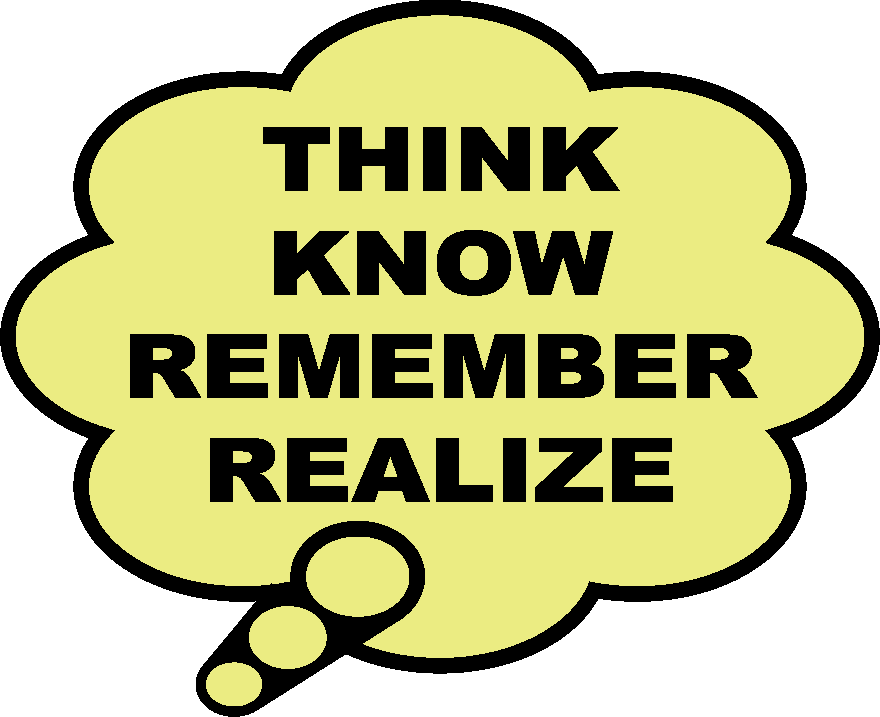
In my work with students, I have become particularly interested in incorporating that beautiful thought bubble icon on Story Grammar Marker®. I find it an elegant icon, serving to scaffold both complex language (I remembered that it was the last week of school contains an embedded clause) and perspective taking, a skill endorsed by advocates of neurodiversity affirming approaches. For this month’s post, I traced a source through Anna Vagin’s work, as she has also provided many resources on working with mental state verbs (MSVs)...

Tool Tuesday: A Fresh Take on Social Scales
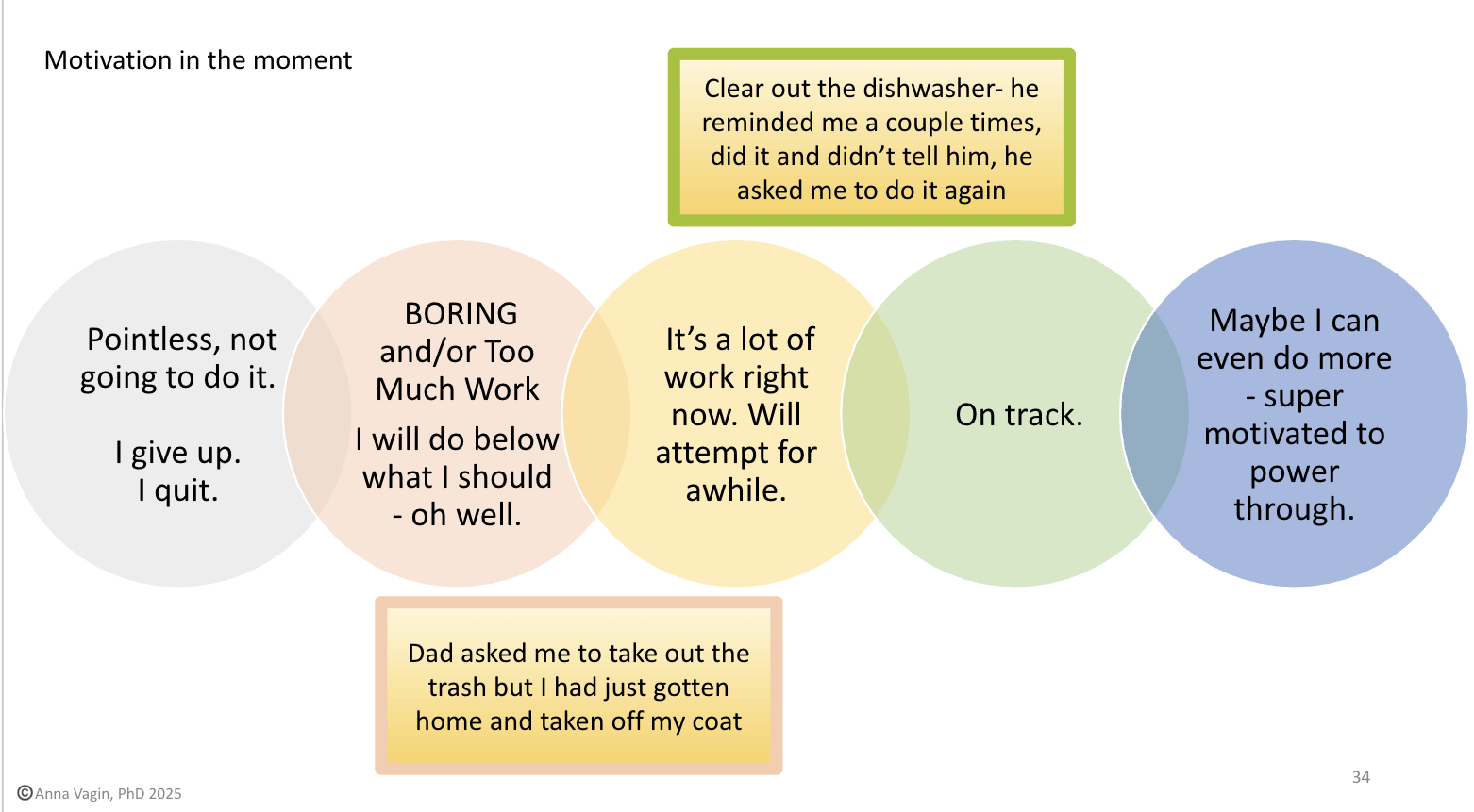
SLP and social educator Anna Vagin has provided a wealth of resources that overlap wonderfully with MindWing’s methodologies in narrative language development. Through her website workshops, and terrific FREE mailing list, she shares connections to fostering conversational language, using engaging contexts such as games and animations to build social cognition, and recently, a new perspective on using visually supportive cognitive/emotional scales. Scales are a tried-and-tested tool for expanding thinking, linked to counseling approaches such as Cognitive-Behavioral Therapy (CBT), Acceptance and Commitment Therapy (ACT), and Motivational Interviewing (MI)...

Tool Tuesday: Gratitude is a Little Story (With Typable Lesson Material!)
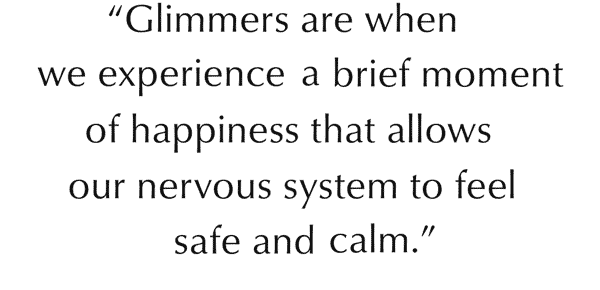
I almost dislike writing about gratitude at Thanksgiving time, as it is a practice that is self-regulating all year round. It is well documented that regularly steering our thinking toward gratitude helps override our brain’s negativity bias and train ourselves to notice positive elements of life, with influence on our mood, and therefore our executive functioning. Recent discourse around gratitude has created the term “glimmers,” serving as the opposite of “triggers.” Glimmers are small observations that help calm our nervous systems....

Downloadable Lesson Material

Tool Tuesday: Thought Balloons!
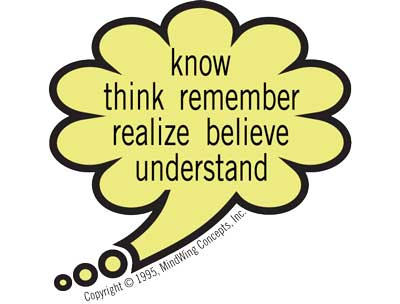
 A thought balloon is a very valuable tool. It provides a visual scaffold that opens doors to that “landscape of consciousness” that is characteristic of the later stages of the narrative developmental sequence (stages 4-7). As such, it’s the gateway to perspective-taking! I’ve become enamored with Story Grammar Marker’s thought balloon icon, accessed among other ways through MindWing’s Digital Icons Set and The Critical Thinking Triangle in Action. Working with neurodiverse clients, this icon provides a key cue toward using mental state verbs and adeptness with reading others’ thoughts and intents...

Tool Tuesday: Summer Study Series, Part 2–Thinking about CRISP weather?
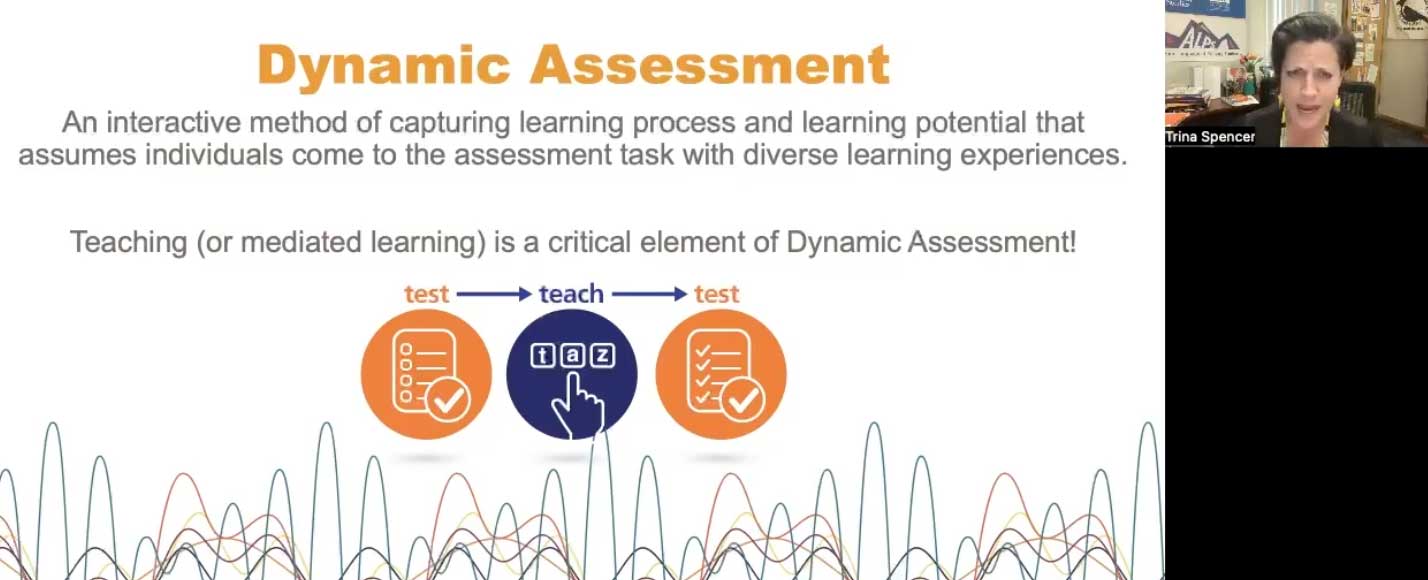
The American Speech‑Language‑Hearing Association (ASHA)’s CRISP Committee (Clinical Research, Implementation Science, and Evidence-Based Practice) has developed a series of nine modules on evidence‑based and best practices assessment, which would serve as a great self-guided study activity as we think about the fall! The site, hosted on ASHA’s Teaching, Learning & Research (TLR) Hub, grabbed my eye since it relates to narrative as a critical aspect of any speech-language assessment, and in particular, MindWing’s tools for supporting these processes, including Story Grammar Marker®...


Tool Tuesday: Create Stories in Slides
I have often thought that although assessment materials—including SLAM (School Aged Language Assessment) cards offered by the Leaders Project—offer great baseline or progress monitoring tools, it would be great to have something similar for treatment. I have been continually impressed by the materials the graduate students I work with at Boston University create with Slides Go, so I wanted to tell you about this great resource! Slides Go is designed to provide Google Slides or PowerPoint templates, generally to adults making presentations. Sounds boring, right? HOWEVER, the templates include adorable cartoon-like sets that are very appealing to young students...